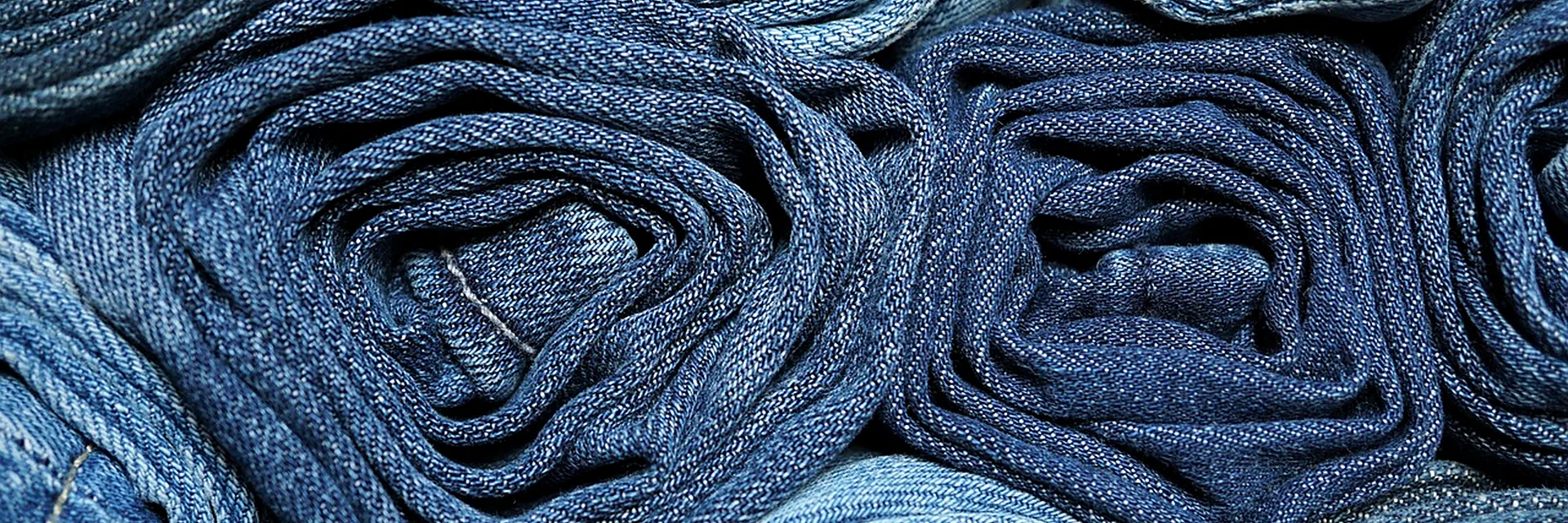
DENIM FABRIC KNOWLEDGE
Denim Fabric Guide for Garment Development
Learn how denim weight, composition, stretch, construction and wash response affect fabric selection for jeans, jackets and other denim garments.
A PRACTICAL STARTING POINT
Fabric Is Not Chosen in Isolation
A denim fabric that works well for one style may be wrong for another. We begin with the garment, fit, wash direction and target market before narrowing the available fabric options.
01 / PRODUCT
What are we making?
Jeans, jackets, shirts, dresses and workwear need different balances of structure, drape and durability.
02 / FIT
How should it fit and move?
Rigid structure, everyday comfort or close-fitting stretch changes the fabric and recovery requirements.
03 / WASH
What finish is planned?
Rinse, vintage fading, abrasion and softness influence how the fabric should be evaluated before cutting.
04 / MARKET
Where will it be sold?
Climate, target price, sizing expectations and care requirements help define the final specification.
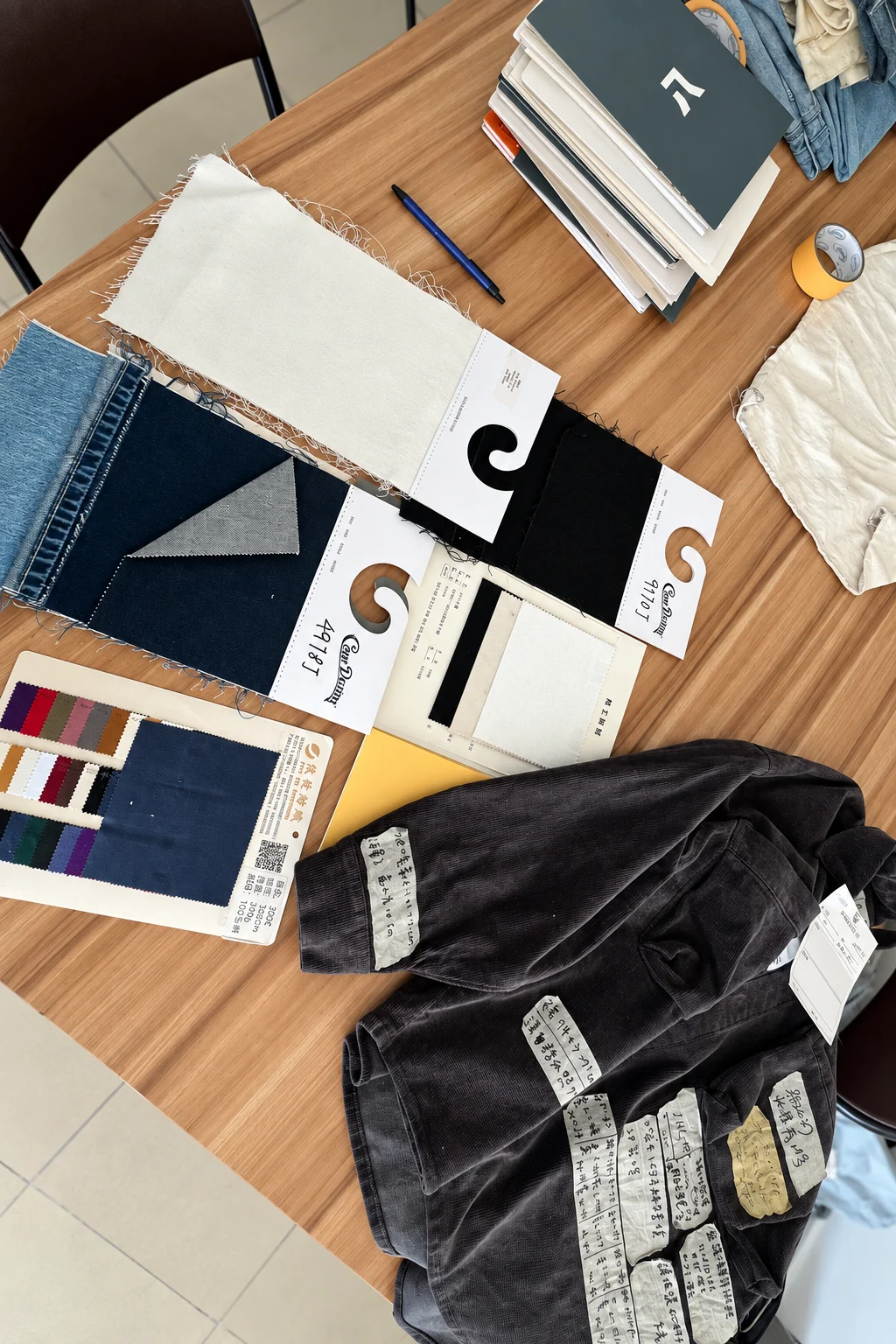
One fabric decision affects every next step.
Construction, washing and final fit are reviewed as one connected process.
DENIM WEIGHT GUIDE
From Lightweight Drape to Structured Denim
Fabric weight shapes drape, comfort, durability and the way a wash develops. These practical ranges help narrow the starting point before construction, stretch and finishing are reviewed.
REFERENCE RANGE
Choose the weight around the garment
OZ / GSM
LIGHTWEIGHT
HEAVYWEIGHT
4–7 oz
135–237 GSM
Lightweight
Shirts, soft dresses and fluid summer denim styles.
8–10 oz
271–339 GSM
Mid-light
Lighter jeans, skirts, overshirts and easy jackets.
11–13 oz
373–441 GSM
Core denim
Everyday jeans and versatile denim garments.
14 oz+
475 GSM+
Heavyweight
Structured jeans, heritage looks and workwear.
NOTE
Weight is a starting reference, not a fixed rule. Yarn, weave, stretch content, finishing and wash can make two fabrics at the same weight behave very differently.
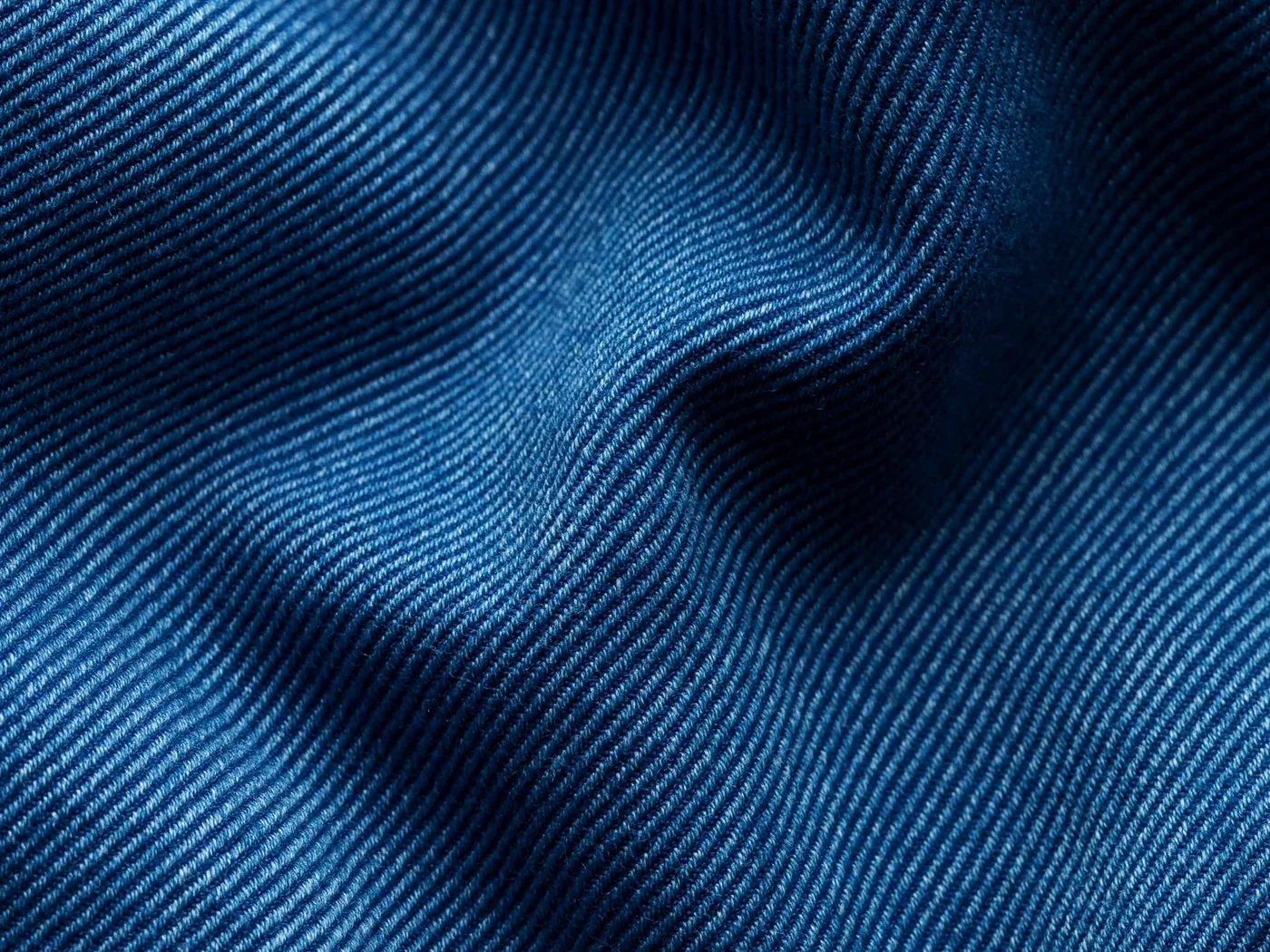
TWILL STRUCTURE
Structure and weight shape the way denim falls.
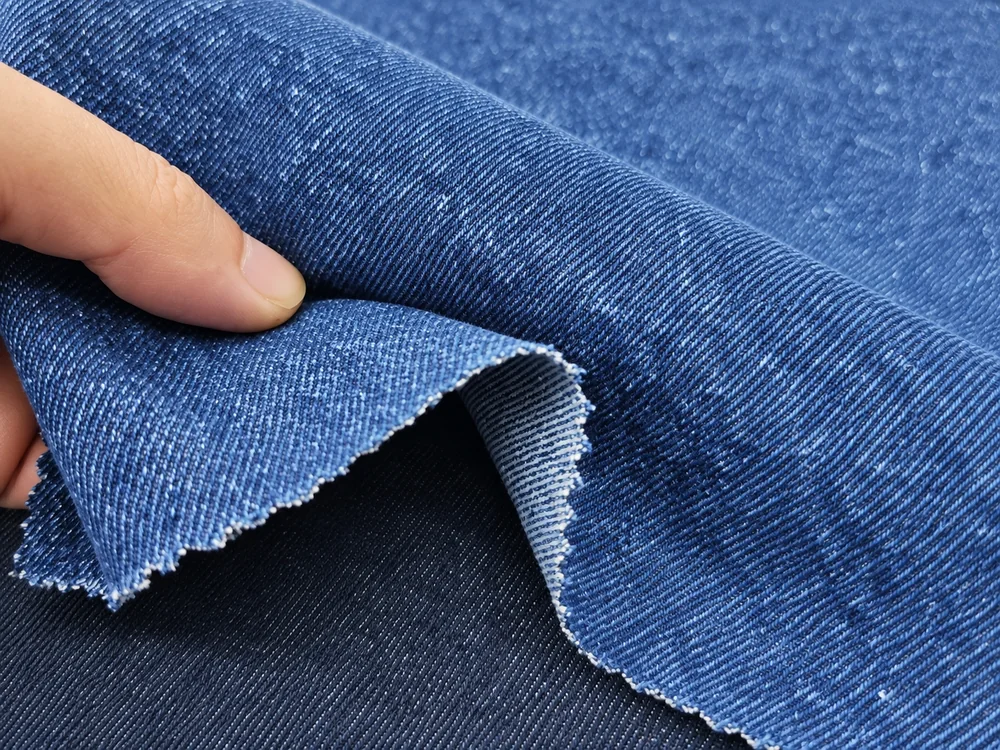
HAND FEEL
Flexibility & softness
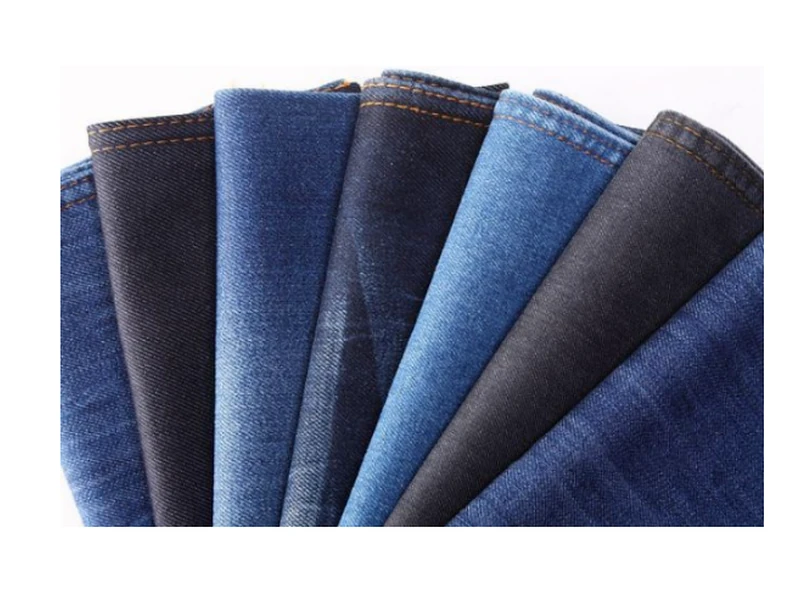
SHADE RANGE
Indigo tones & finishes
COMPOSITION & STRETCH
What the Fiber Blend Changes
Composition affects more than the care label. It changes hand feel, drape, stretch, recovery and how a denim garment holds its shape through wear and washing.
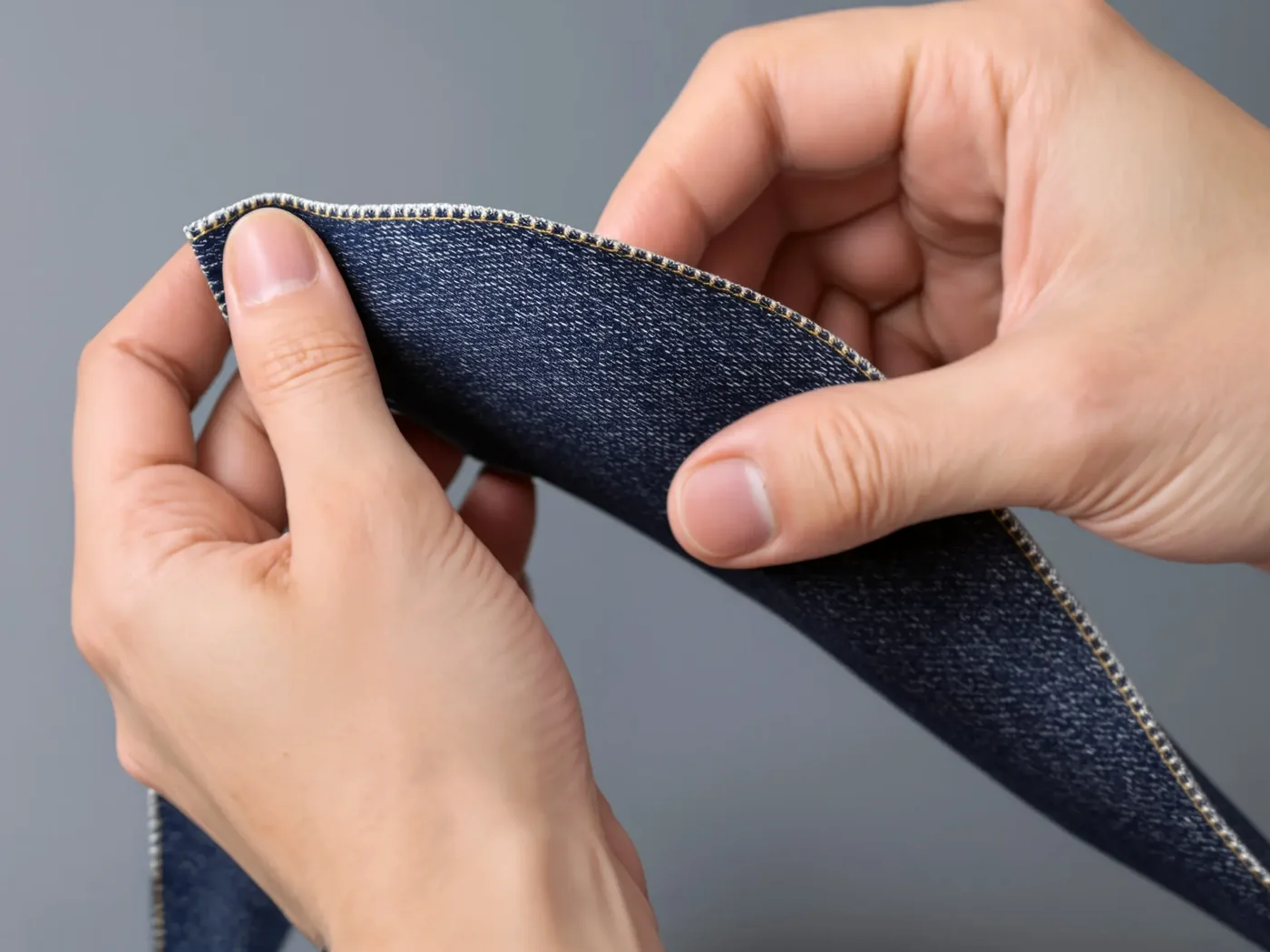
STRETCH & RECOVERY TEST
Measure extension and recovery—not stretch percentage alone.
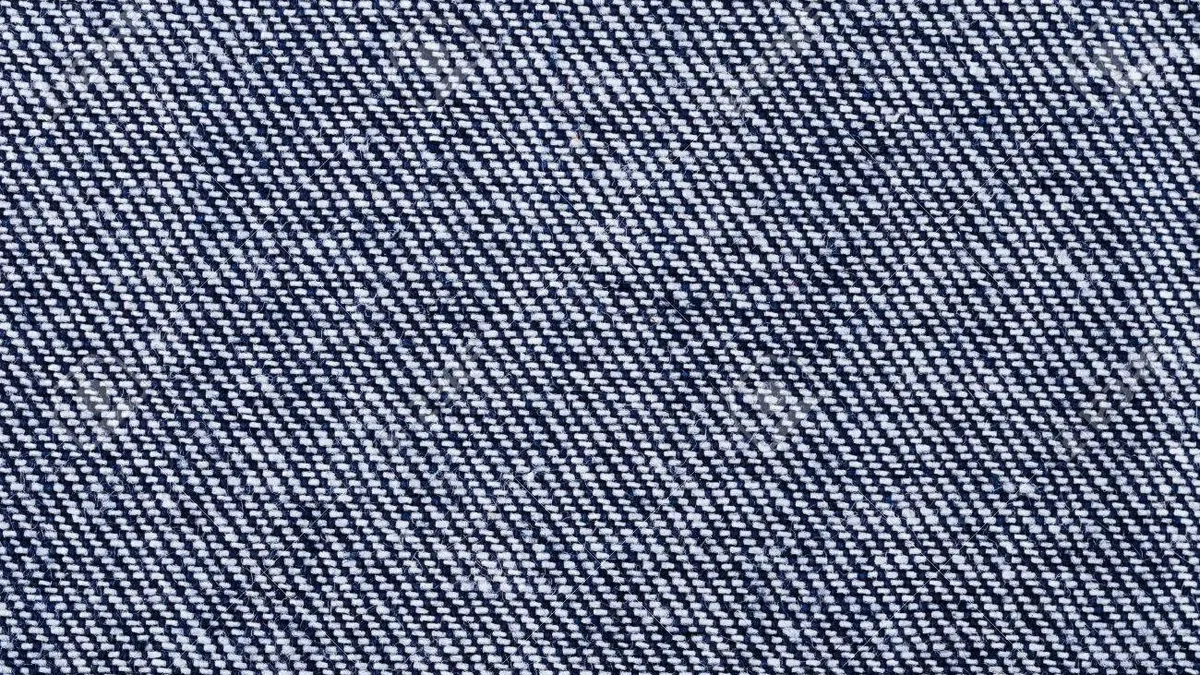
FIBER / YARN DETAIL
Composition changes hand, drape and durability.
COMMON STARTING POINTS
Match the blend to the silhouette and expected wear.
HAND
STRETCH
RECOVERY
TECH NOTE
Fiber percentages do not define performance on their own. Yarn system, fabric construction, finishing and wash must be reviewed together.
YARN & WEAVE CONSTRUCTION
How Yarn and Weave Construction Shape Denim
Spinning method shapes yarn character; weave construction controls the face, hand and stability of the fabric. We review both together against the garment silhouette, wash route and target performance.
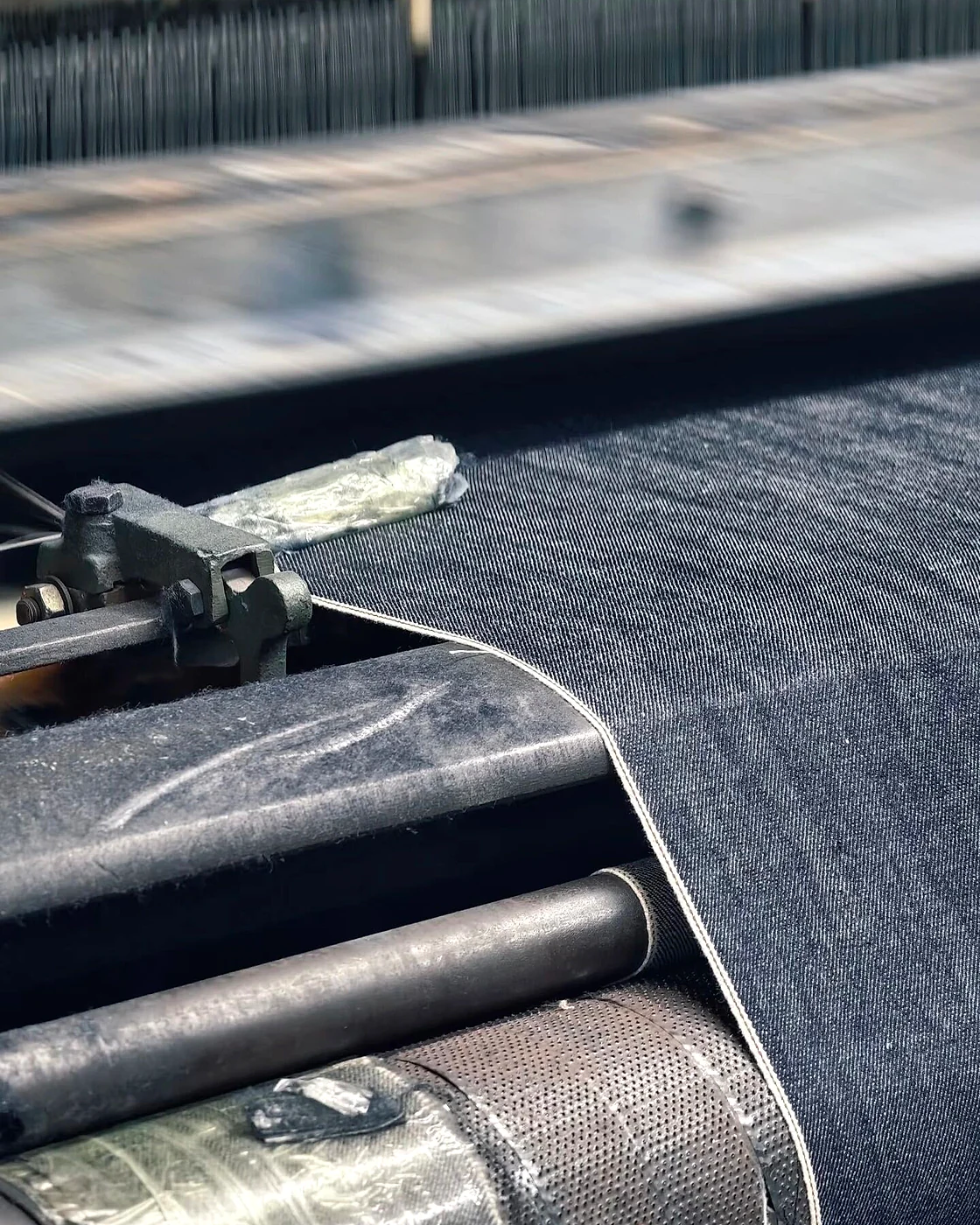
ENGINEERED FROM YARN UP
YARN SYSTEMS

Ring-Spun
Strength · texture
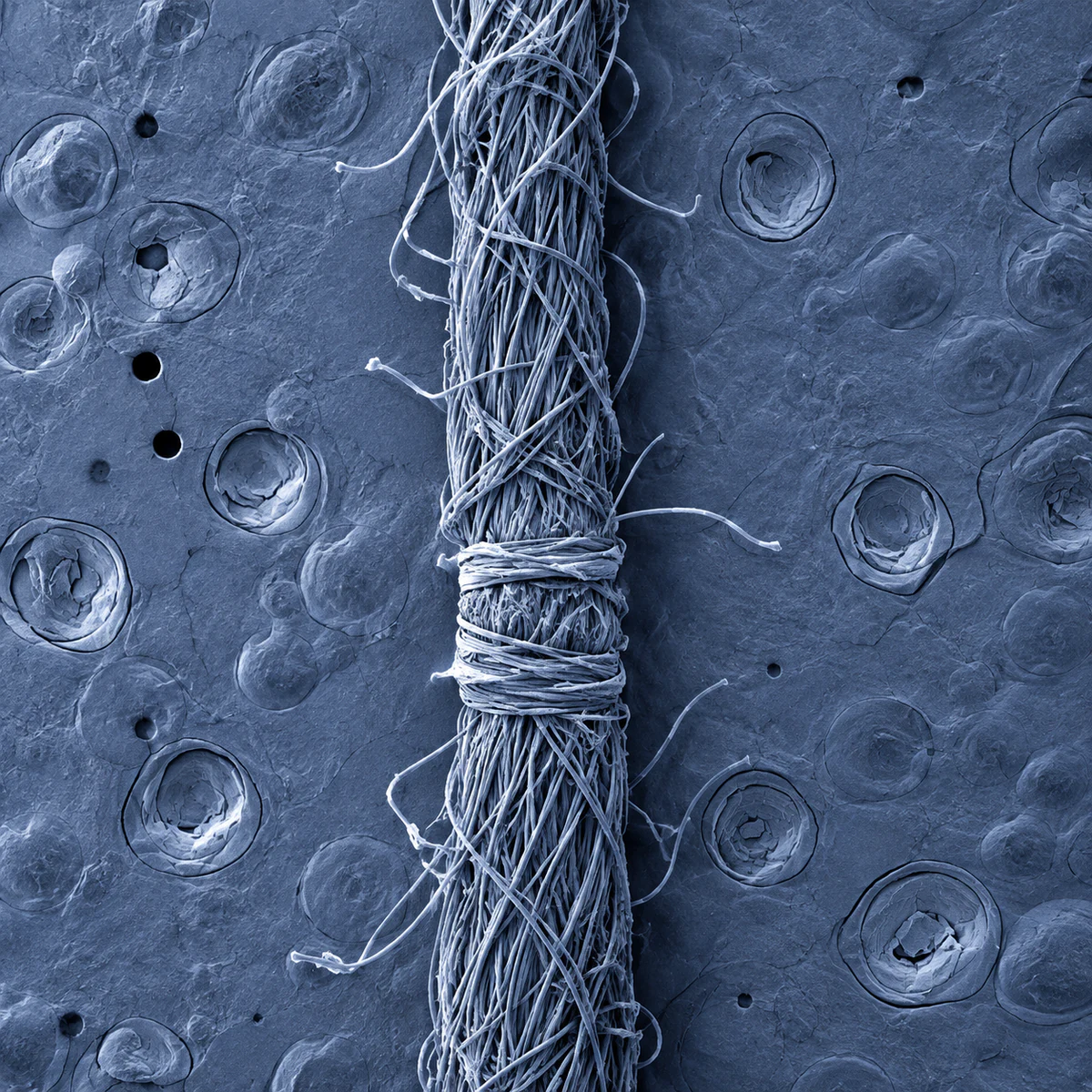
Rotor-Spun
Efficiency · evenness
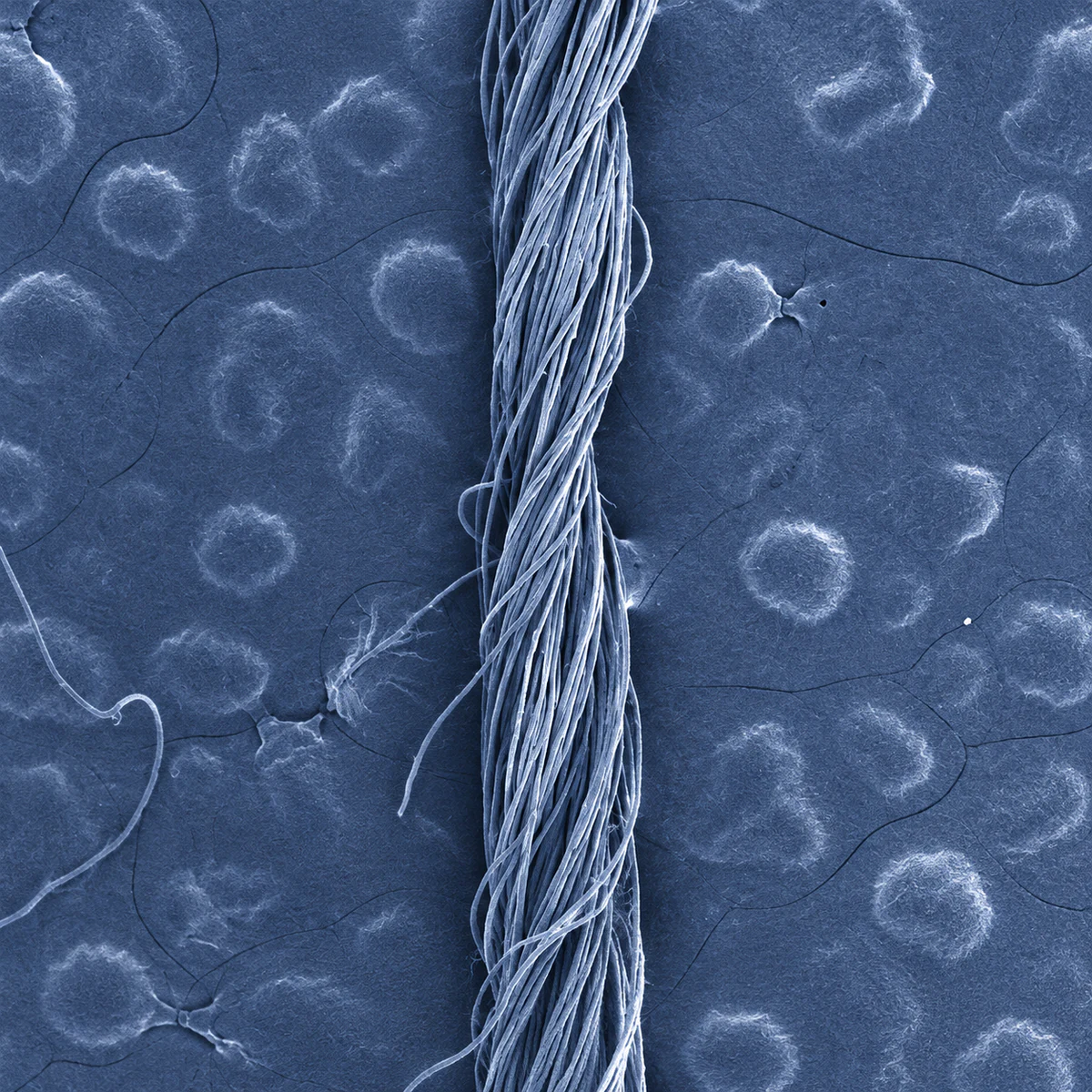
Siro-Spun
Compact · clean
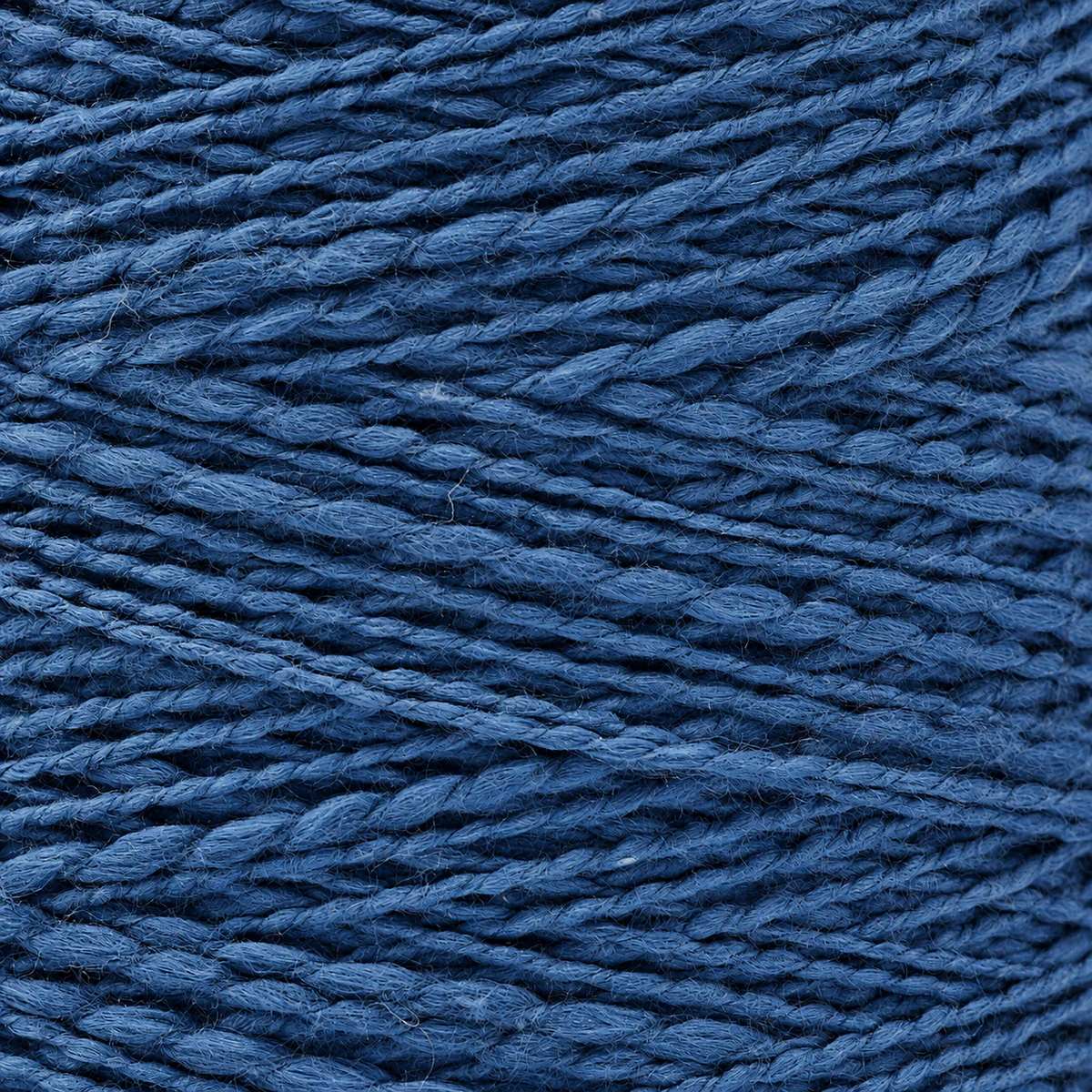
Slub Yarn
Irregular character
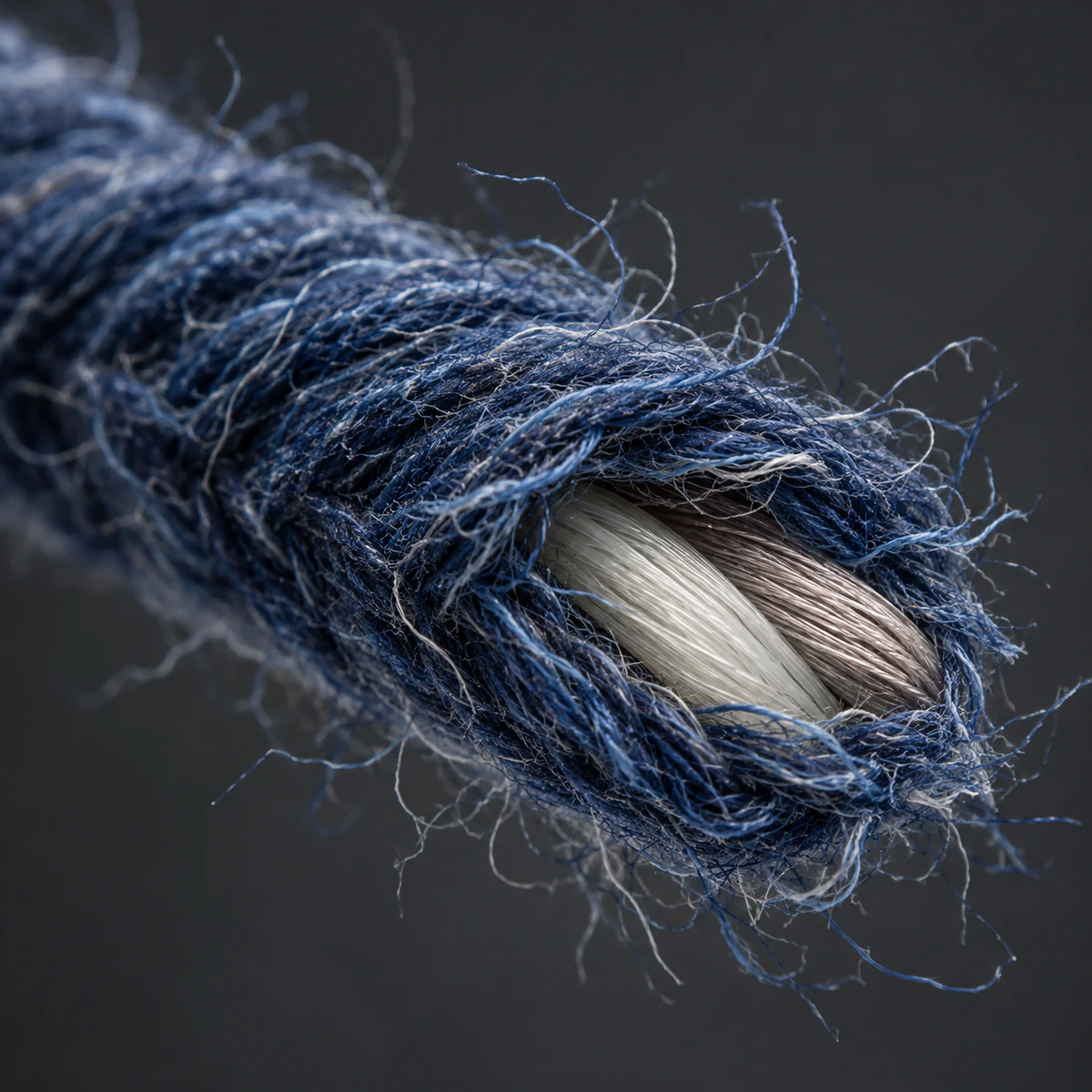
Core / Dual-Core
Stretch · recovery
FABRIC SURFACE & WEAVE REFERENCES
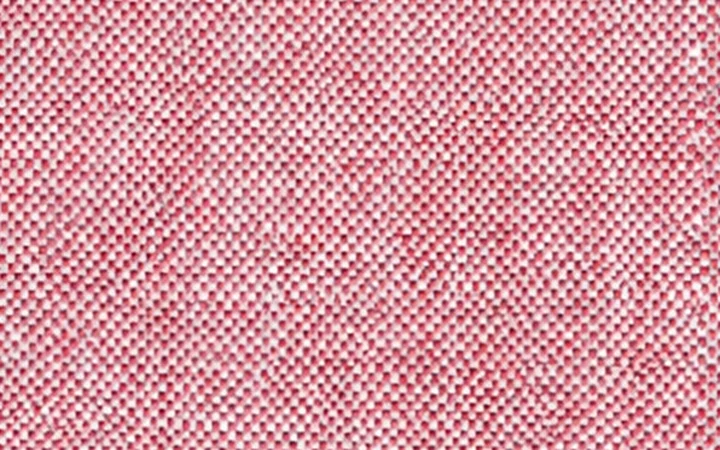
Plain Weave
Balanced over-under structure

Twill Weave
Continuous diagonal ribs
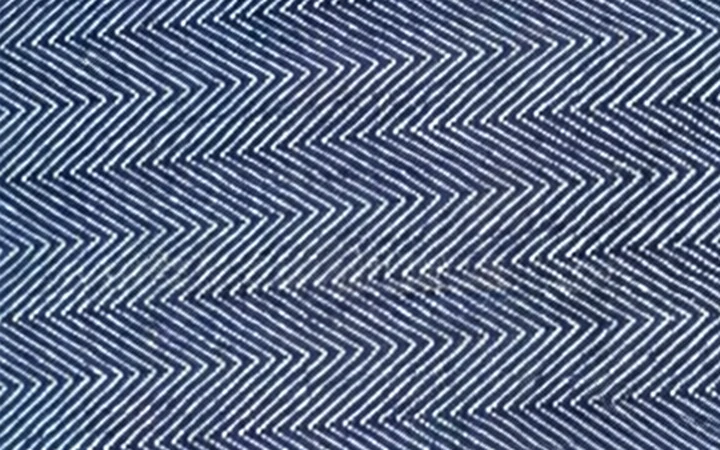
Herringbone Twill
Reversing chevron line
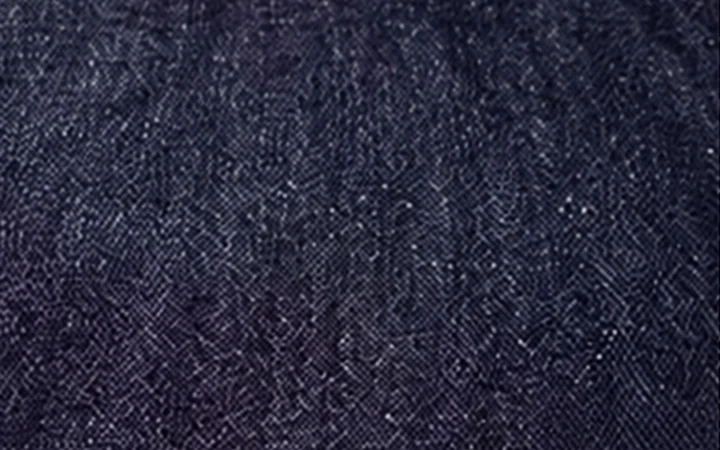
Crosshatch Texture
Warp-and-weft character
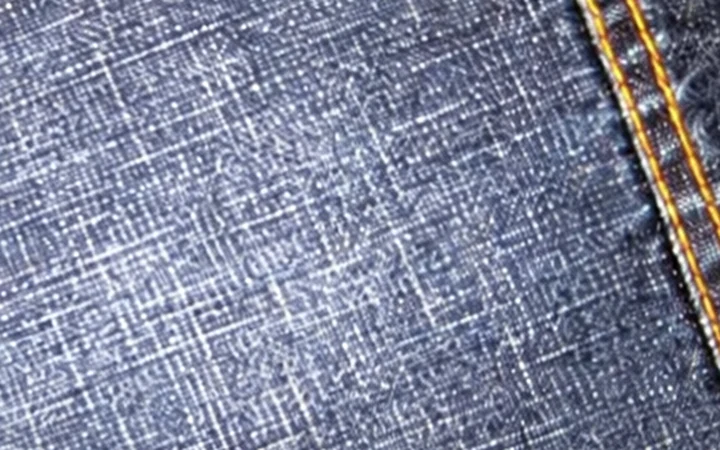
Slub Texture
Irregular linear highs and lows
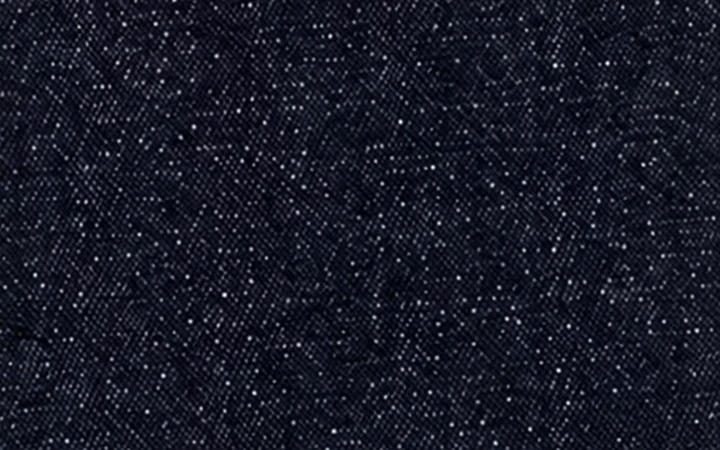
Deep Indigo Texture
Dense low-contrast surface
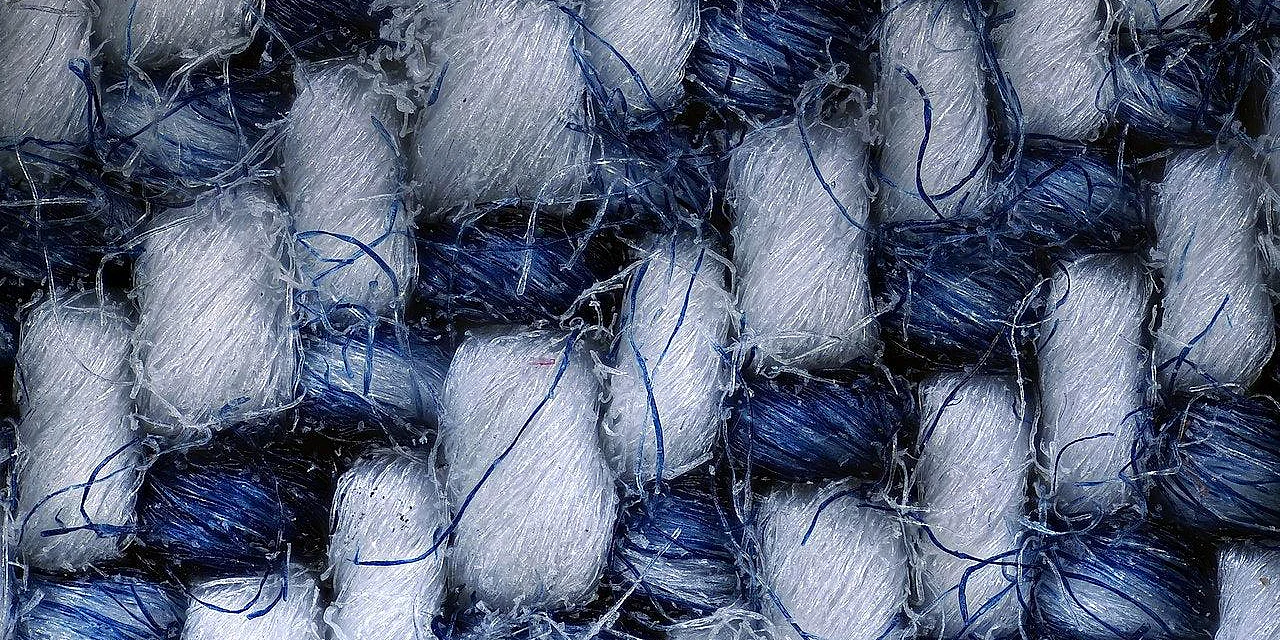
WOVEN STRUCTURE · INDIGO AND UNDYED YARNS
CONSTRUCTION WORKS AS A SYSTEM
The right construction is the one that works with the garment—not in isolation.
Final hand and performance are confirmed on an approved fabric and garment sample.
OUR FABRIC PROCESS
How We Narrow Fabric Options
A practical review sequence keeps fabric selection connected to the garment rather than treating the swatch as an isolated material.
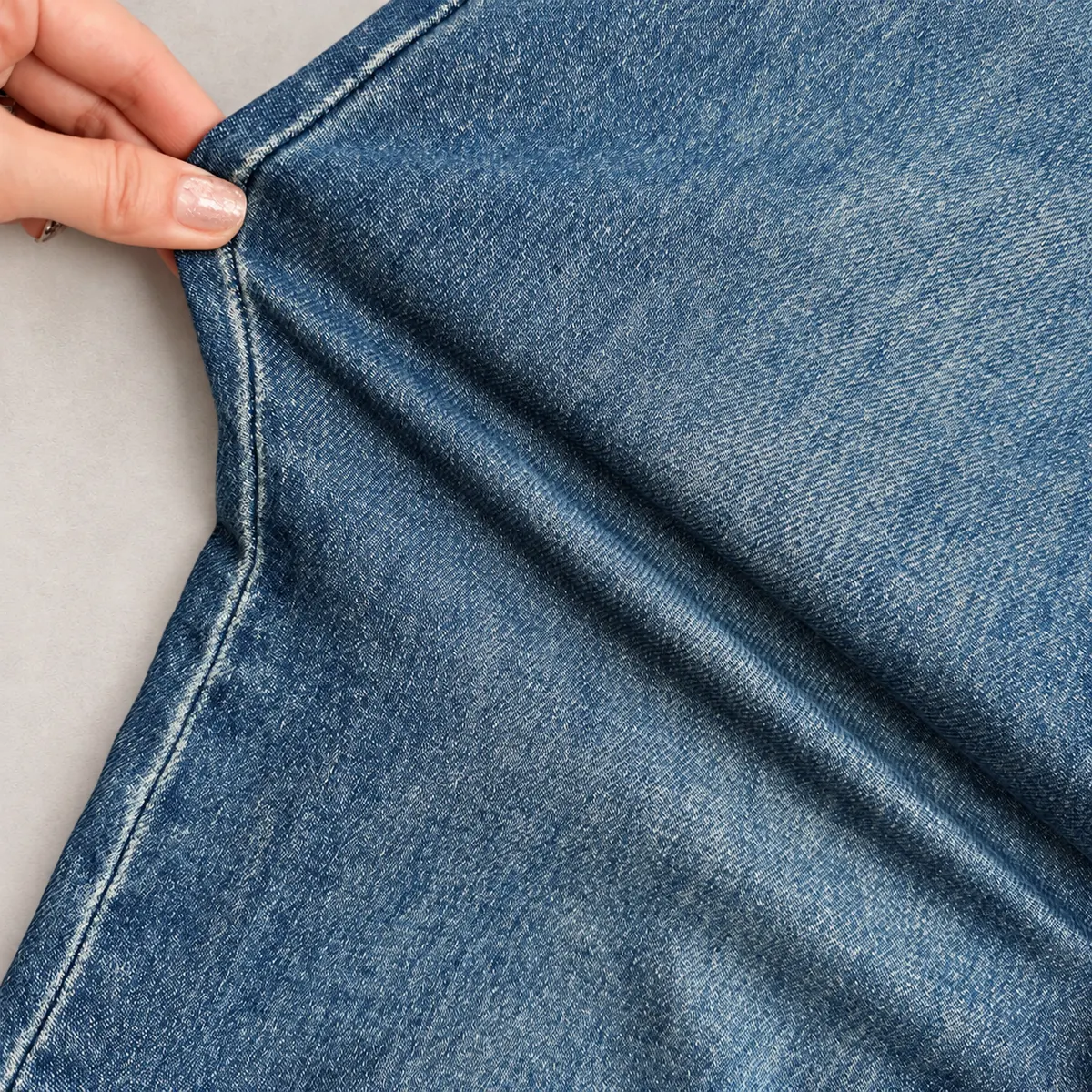
PRODUCT BRIEF · SWATCH REVIEW · SAMPLE DIRECTION
01
Read the Product Brief
Fit, target price, market and intended wash define the starting point.
02
Compare Suitable Constructions
Weight, composition, stretch, yarn and weave are reviewed against the garment.
03
Sample and Wash
Shortlisted fabrics are evaluated through sampling and the intended wash direction.
04
Confirm Before Bulk
The approved fabric, shade and performance become the production reference.
FABRIC SPECIFICATION & APPROVAL
Turn a Fabric Choice Into a Production Standard
A selected fabric is not ready for bulk until its measurable specification, washed appearance and garment performance have been reviewed and recorded.
Clear approval references reduce sampling errors, shade disputes and production variation.
BASE SPECIFICATION
Weight, fibre content, width and usable construction
STRETCH & RECOVERY
Extension, growth and shape-retention targets
SHADE & SURFACE
Indigo cast, slub character and finishing reference
WASH RESPONSE
Shrinkage, hand feel, colour loss and seam behaviour
GARMENT PERFORMANCE
Fit, drape, mobility and appearance after wash
BULK REFERENCE
Approved fabric lot, shade band and sealed garment sample
APPROVAL EVIDENCE
These approved references become the control standard for bulk production.
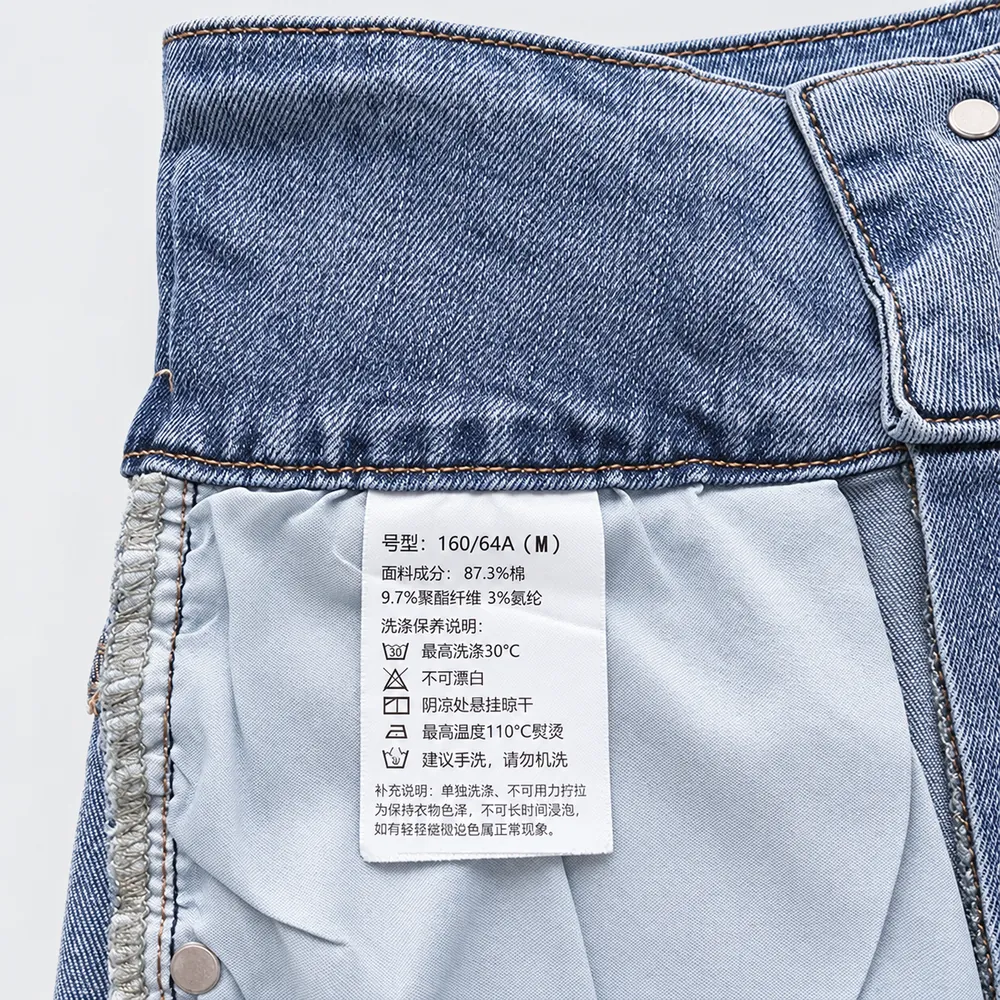
Recorded Specification
Composition, care information and the selected fabric requirements are recorded for review.
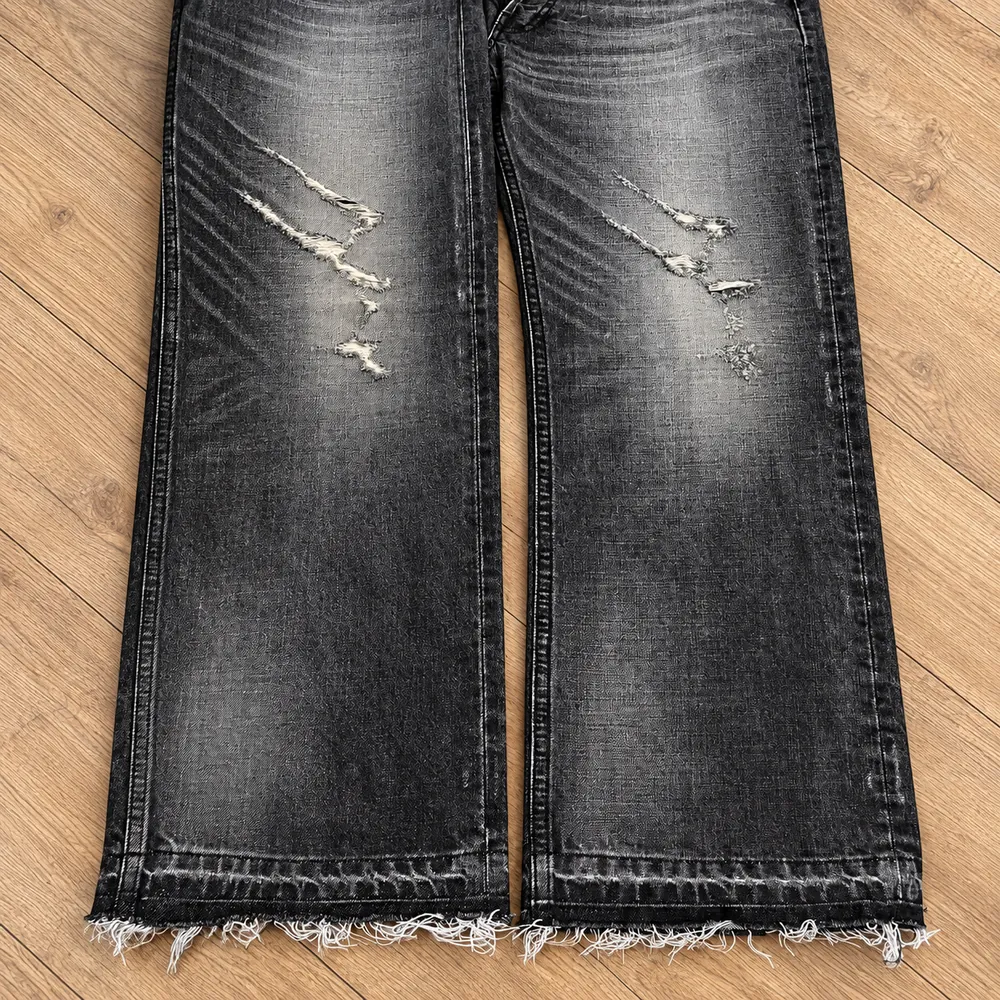
Approved Wash Standard
The agreed shade, surface character and wash appearance are retained as the reference.
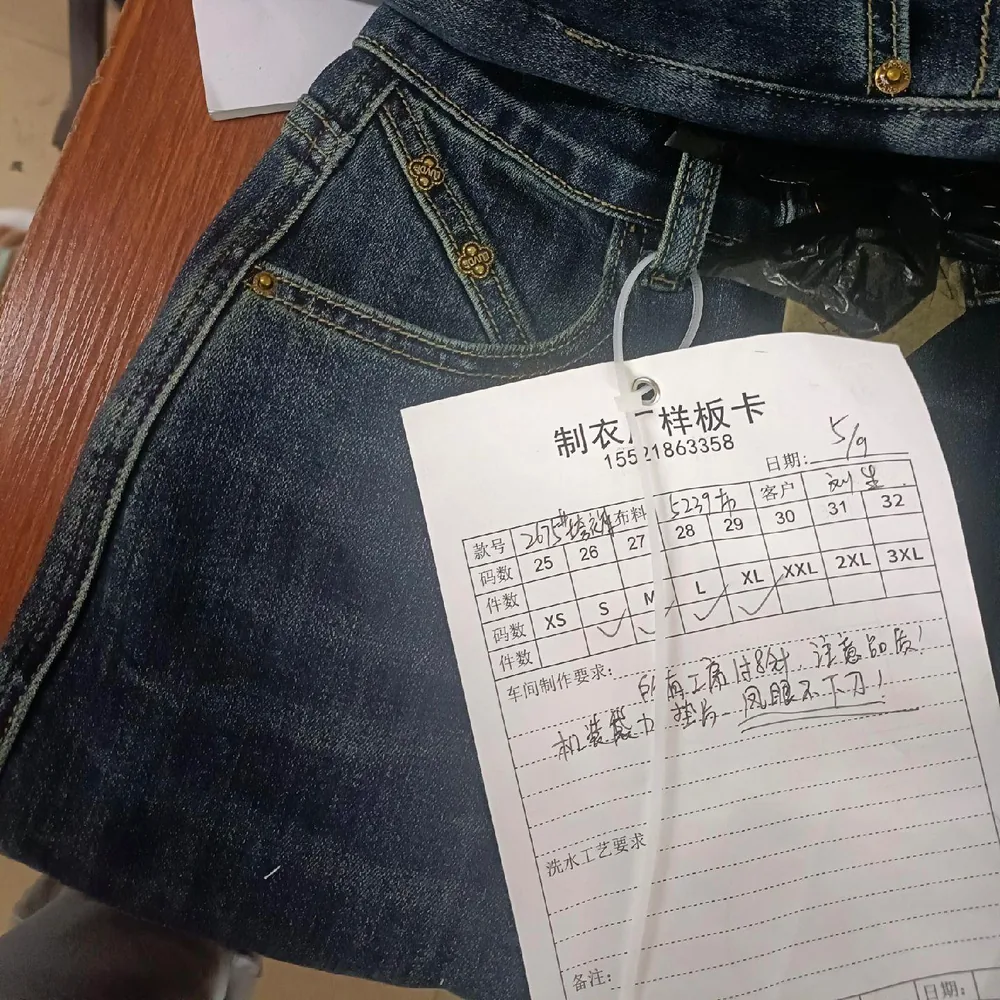
Sealed Garment Sample
The approved sample confirms fit, drape, mobility, seam behaviour and overall appearance.